
Introduction
AI chatbots have revolutionized how businesses interact with customers, streamline operations, and enhance user experiences. These intelligent virtual assistants use natural language processing (NLP) and machine learning (ML) to understand and respond to user queries effectively. This article explores the top 10 AI chatbots that are leading the charge in transforming various industries, highlighting their features, benefits, and practical applications.
Top 10 AI Chatbots
🥇 1. ChatGPT (by OpenAI)
Website: https://chat.openai.com
Description:
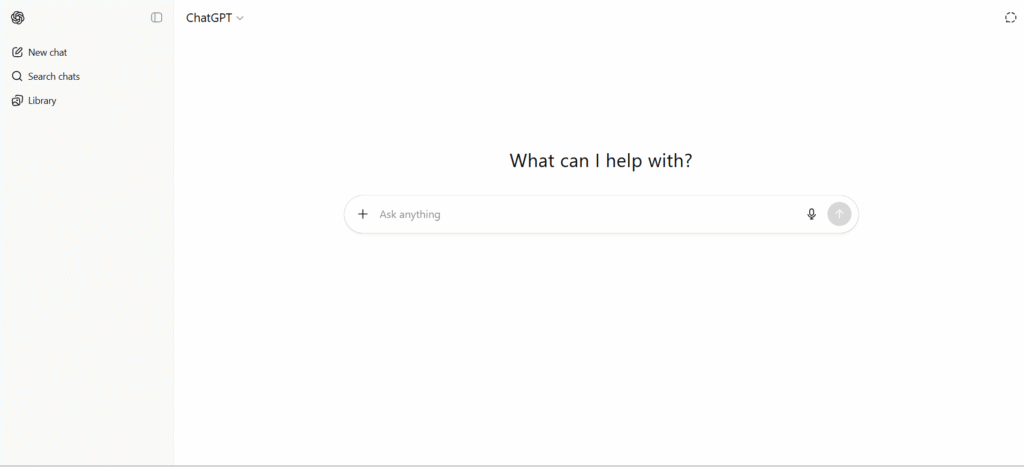
ChatGPT is the world’s most advanced conversational AI, built by OpenAI and powered by the GPT-5 model (previously GPT-4). It understands natural language, images, and structured data, making it incredibly versatile.
It’s widely used for content creation, programming, education, data analysis, marketing, and business automation. ChatGPT can write essays, generate visuals, explain code, summarize research, or simulate conversations with historical figures — all in seconds.
Best For: Professionals, marketers, coders, educators, and creative writers.
Highlights:
- Multi-modal (text, image, document) understanding
- Memory-enabled context continuity
- Plug-ins for real-time browsing, PDF reading, and code execution
- Strong reasoning, writing, and analytical depth
🥈 2. Google Gemini (formerly Bard)
Website: https://gemini.google.com
Description:
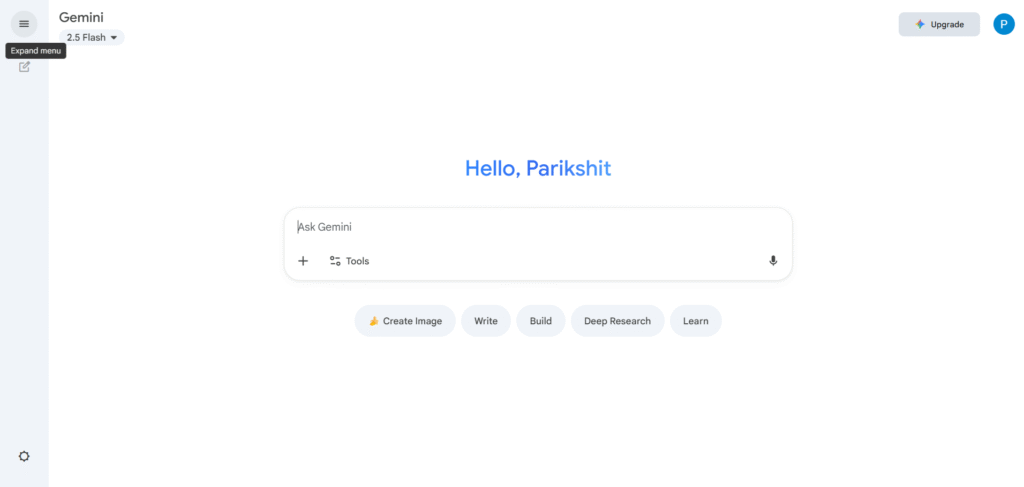
Google Gemini is Google’s next-generation conversational AI that integrates search, reasoning, and multimodal capabilities. It’s tightly embedded across Google Workspace — from Gmail and Docs to YouTube and Drive — making it a powerful productivity tool.
You can upload PDFs, images, or data, and Gemini provides summaries, charts, and answers with real-time web context.
Best For: Researchers, marketers, and professionals using Google products.
Highlights:
- Live data from Google Search
- Supports images, videos, and documents as inputs
- Native integration with Gmail, Docs, Sheets, and Slides
- Context-aware reasoning for up-to-date results
🥉 3. Claude (by Anthropic)
Website: https://claude.ai
Description:
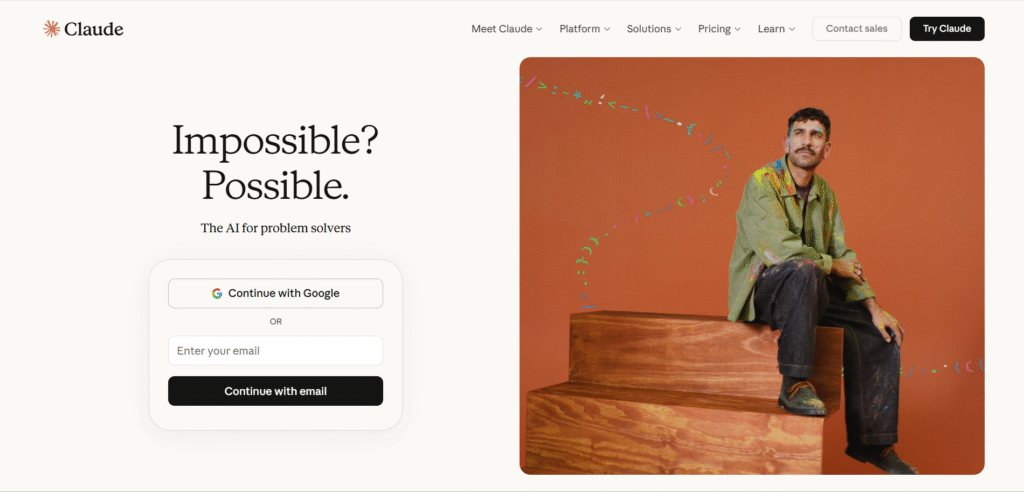
Claude is built by Anthropic, a company founded by former OpenAI researchers. It’s known for its ethical alignment, safety focus, and long-context memory, making it one of the most trustworthy chatbots in the market.
Claude can process up to 200,000 tokens (hundreds of pages) in a single conversation — ideal for summarizing books, research papers, or lengthy transcripts.
Best For: Writers, researchers, and legal or technical professionals.
Highlights:
- Massive context window (hundreds of pages)
- Deep summarization and structured reasoning
- Excellent at tone control and editing complex documents
- Focused on reliable, fact-based answers
4. Perplexity AI
Website: https://www.perplexity.ai
Description:
Perplexity is an AI-powered research chatbot that combines large language models with live web search and verified citations.
Every response includes clickable sources, making it one of the best tools for accurate, real-time research and fact-checking.
It’s perfect for students, journalists, analysts, and professionals who value transparency and trust in their AI answers.
Best For: Research, fact verification, and data-driven writing.
Highlights:
- Real-time web search + citations
- Clean, minimalist interface
- Follow-up questions refine context dynamically
- Mobile and desktop apps available
5. DeepSeek
Website: https://deepseek.com
Description:
DeepSeek is a next-generation open AI chatbot built for performance and accessibility. It offers GPT-4-level reasoning at a fraction of the computational cost, making it one of the most efficient LLMs to date.
Its multilingual capabilities and low latency make it ideal for developers, educators, and global users.
Best For: Developers, multilingual professionals, and educators.
Highlights:
- Efficient resource usage (fast + low compute)
- Strong reasoning and math skills
- API and open-source access for integration
- Competitive pricing for enterprise users.
6. Microsoft Copilot (Bing Chat)
Website: https://copilot.microsoft.com
Description:
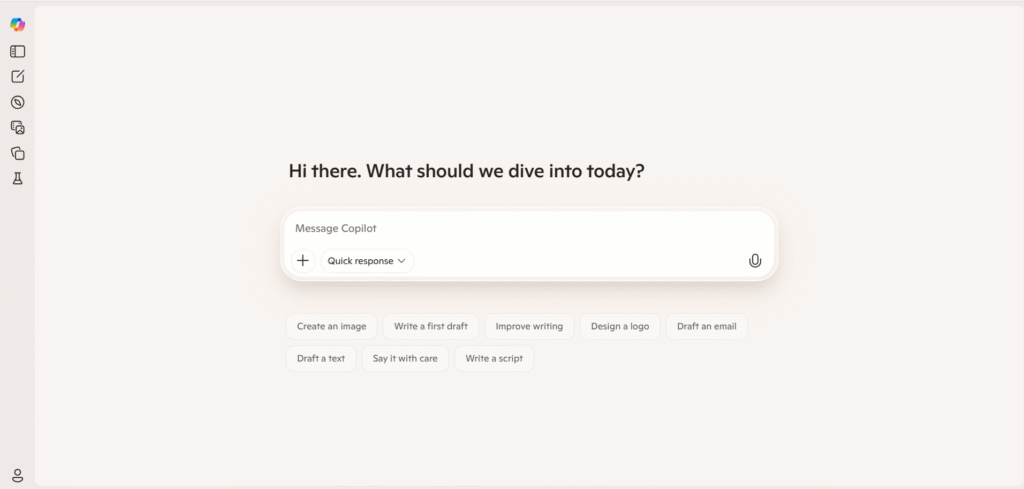
Microsoft Copilot — integrated into Windows, Office 365, and Bing — acts as a personal AI productivity assistant.
It can summarize meetings, write reports in Word, generate slides in PowerPoint, and analyze data in Excel — all through natural language.
Copilot is powered by OpenAI’s models but deeply embedded into the Microsoft ecosystem.
Best For: Business professionals, analysts, and corporate users.
Highlights:
- Native integration in Office Suite
- Email & meeting summaries (Outlook, Teams)
- Real-time web browsing through Bing
- Context retention across Microsoft apps
7. Grok (by xAI / Elon Musk)
Website: https://x.ai
Description:
Grok is Elon Musk’s conversational AI, integrated directly into X (formerly Twitter).
Designed to be witty, bold, and informative, Grok mixes reasoning with humor and has access to real-time data from the X platform — making it unique among competitors.
Best For: Social media users, content creators, and researchers interested in trending insights.
Highlights:
- Real-time integration with X (Twitter) data
- Personality-driven conversations
- Answers trending and controversial topics with flair
- Integrated into the X Premium+ subscription
💡 A chatbot with attitude — informative, fast, and socially aware.
8. Kimi (by Moonshot AI)
Website: https://kimi.moonshot.cn
Description:
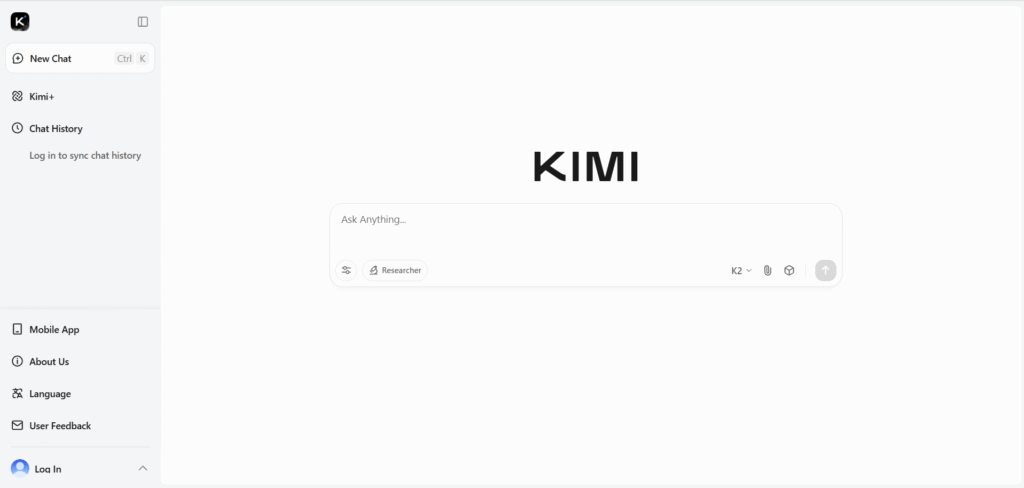
Kimi is an emerging Chinese-developed AI chatbot renowned for its super-long context window (up to 2 million tokens) — one of the largest in the world.
It can handle huge datasets, technical reports, or books in one go.
Best For: Data scientists, researchers, and multilingual users.
Highlights:
- Long-context memory (massive input size)
- Multilingual fluency (Chinese, English, etc.)
- High comprehension for technical writing
- API integrations for enterprise AI workflows
9. Meta AI (LLaMA-based)
Website: https://ai.meta.com
Description:
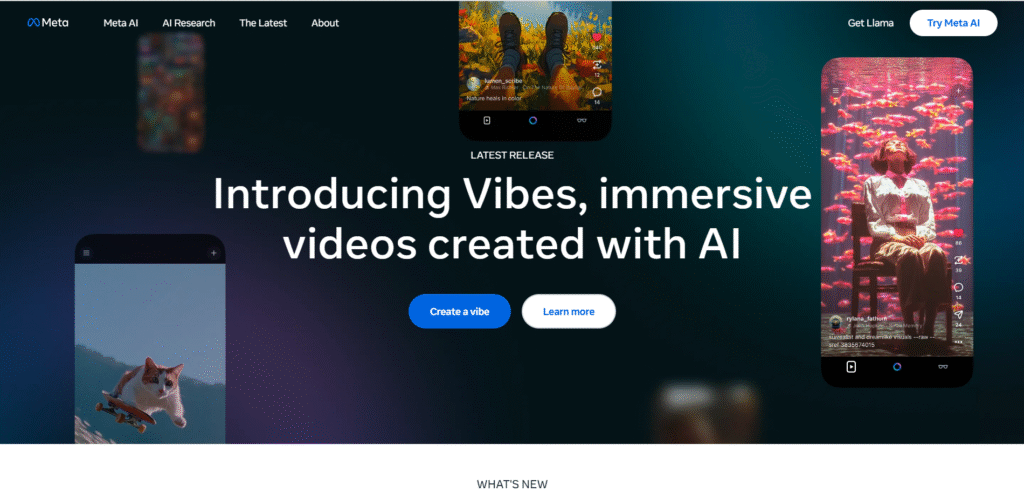
Meta AI uses its proprietary LLaMA (Large Language Model Meta AI) models to power a family of chatbots across Facebook, Instagram, and WhatsApp.
It’s focused on accessibility and daily productivity, answering questions, generating creative content, and powering customer service bots.
Best For: Social media users, small businesses, and content creators.
Highlights:
- Built into Messenger, Instagram, and WhatsApp
- Image generation capabilities
- Real-time integration with Meta products
- Free and accessible to billions
10. HuggingChat (by Hugging Face)
Website: https://huggingface.co/chat
Description:
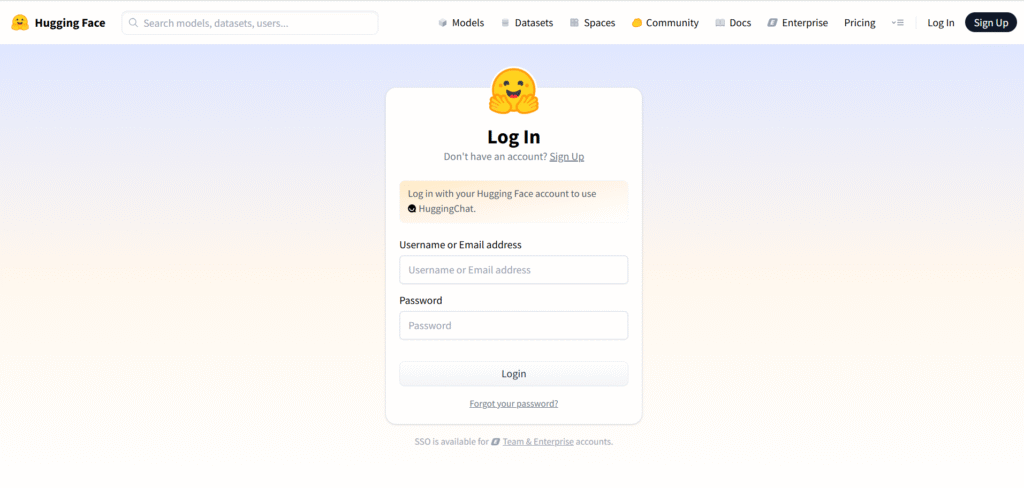
HuggingChat is the open-source alternative to ChatGPT, allowing users to interact with various open LLMs (like Mistral, Falcon, or LLaMA) hosted on the Hugging Face platform.
It’s ideal for developers, AI researchers, and organizations that value transparency, privacy, and customization.
Best For: Developers, open-source advocates, and AI enthusiasts.
Highlights:
- Community-driven innovation
- Free and open-source chatbot
- Choose different LLM models
- Self-hosting & API access available
FAQs
What are the benefits of using AI chatbots in customer service? AI chatbots improve response times, provide 24/7 support, handle multiple queries simultaneously, and enhance customer satisfaction by delivering accurate and consistent information.
Can AI chatbots understand multiple languages? Yes, many AI chatbots like Google Assistant and Alexa support multiple languages, making them accessible to a global audience.
Are AI chatbots secure for handling sensitive information? Reputable AI chatbots, like IBM Watson Assistant, incorporate robust security measures to protect sensitive information, ensuring data privacy and compliance with regulations.
How do AI chatbots learn and improve over time? AI chatbots use machine learning algorithms to analyze interactions, learn from user feedback, and continuously improve their responses and understanding.
Can AI chatbots replace human customer service agents? While AI chatbots can handle many routine tasks, human agents are still essential for managing complex and sensitive issues that require empathy and critical thinking.
What industries benefit most from AI chatbots? Industries such as retail, healthcare, finance, and customer service benefit significantly from AI chatbots by improving efficiency, enhancing customer interactions, and reducing operational costs.
Conclusion
AI chatbots are transforming the way businesses and individuals interact with technology, offering intelligent, efficient, and engaging solutions for various needs. The top 10 AI chatbots highlighted in this article showcase the diverse applications and significant benefits of integrating AI-driven virtual assistants into everyday activities. Whether for customer service, personal assistance, or business communication, these AI chatbots are leading the way in creating more connected and responsive environments.